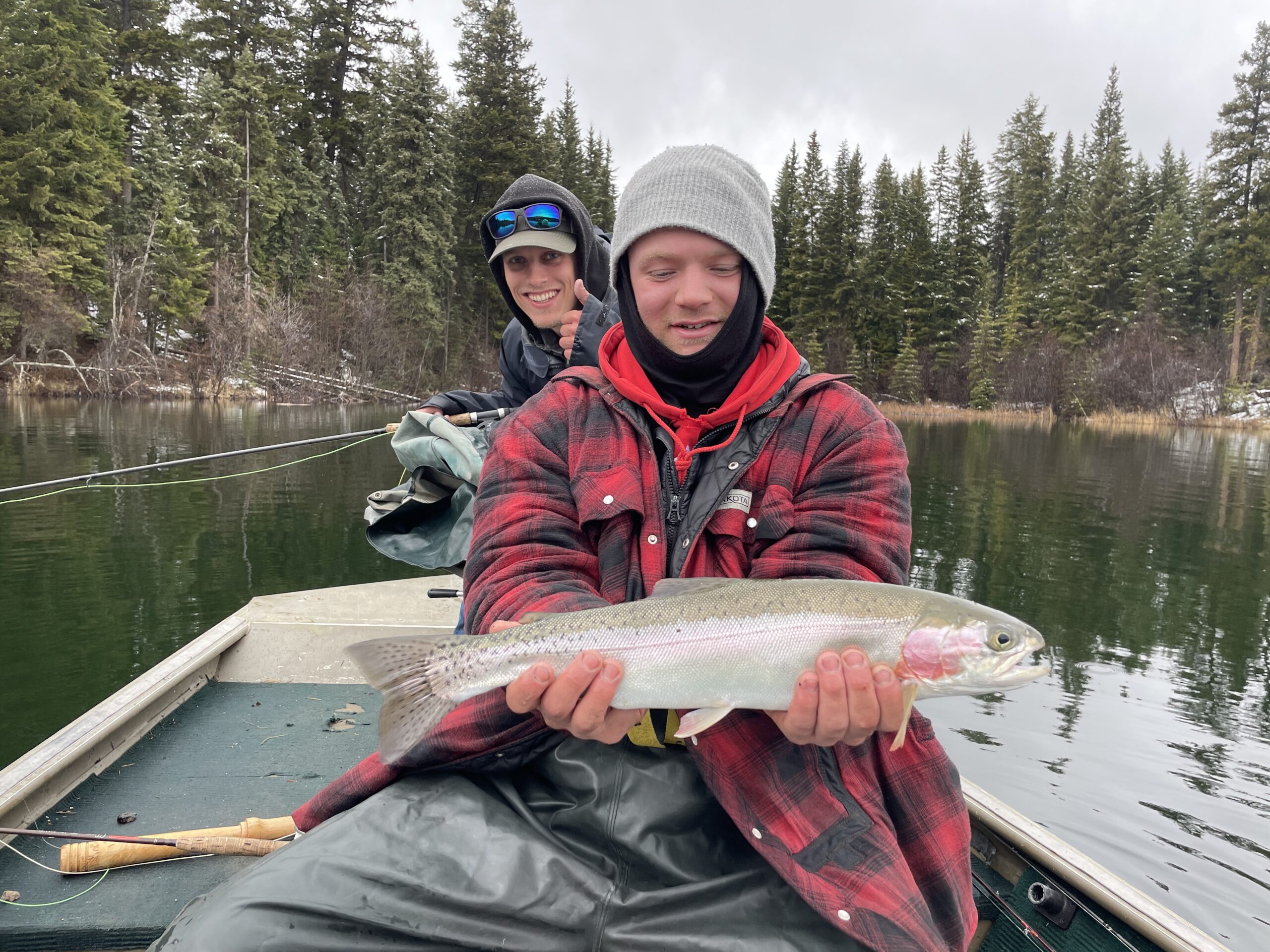
The Blob: A Fisherman’s Secret Weapon
We have all been there, out on the water, wondering what those fish are slurping down below, just trying to figure it out. Finally, you catch a fish, take a sample, and find those little glass-like worms. Some people call them zooplankton, glass worms, daphnia, or a fisherman’s nightmare—but The Blob will do the job year-round.
Brian Chan, the Freshwater Fisheries Society of BC Ambassador and always a reliable source, notes that these food items are often less than 2mm in length (Chan, 2024). The Blob can be used in lakes all around the world, but the focus of this post is on lakes in British Columbia.
Presentation
The Blob can be suspended 12–14 feet below the surface, though this can vary depending on where the fish are holding. Alternatively, you can cast this fly on a sinking line with a 4–5-foot leader, stripping it fast with intermittent 2–4-inch pulls on the line. Although it is very easy to tie, its effectiveness can be unmatched, raising some controversy within the fly-fishing community.
The Daphnia Connection
Brian Chan states that “daphnia are found in very dense congregations” (Chan, 2024). Research shows that these plumes typically gather between 12 and 14 feet below the surface, usually in moderately shallow water. Some fishermen don’t believe they ever appear in these congregations, mainly because they have never seen them. But their invisibility doesn’t mean they aren’t there! To an extent, I can agree, as I have also never seen this plume or cloud-like structure, but these Blobs can turn a slow day of fishing into a memorable one.
Sometimes, these colorful flies are lumped into the attractor category, which is very understandable. In the U.K., fishermen don’t even call it a fly; they call it a lure. To many of us, we don’t care what it is called if it catches fish—and isn’t that the whole point?
Tying the Blob
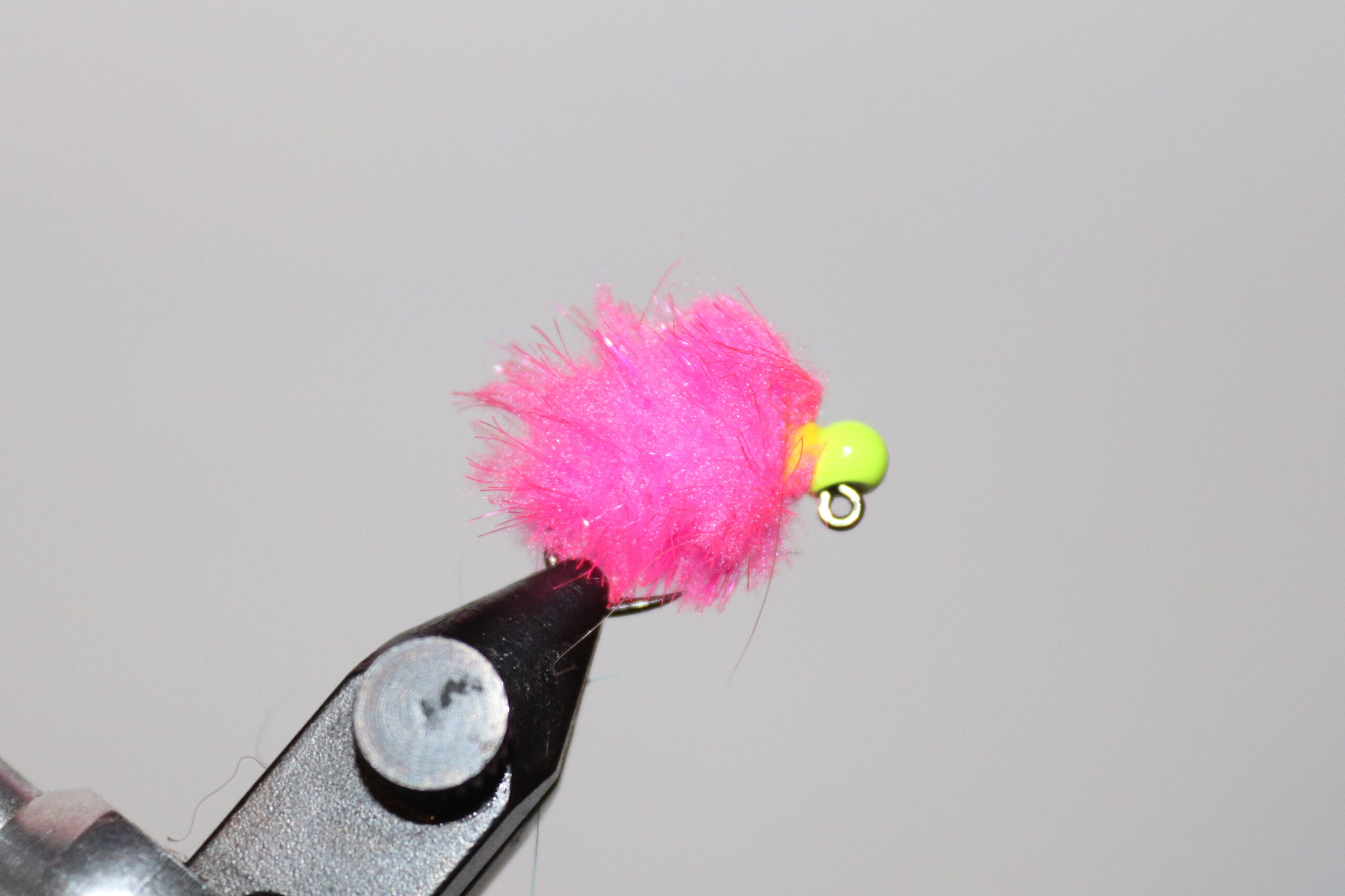
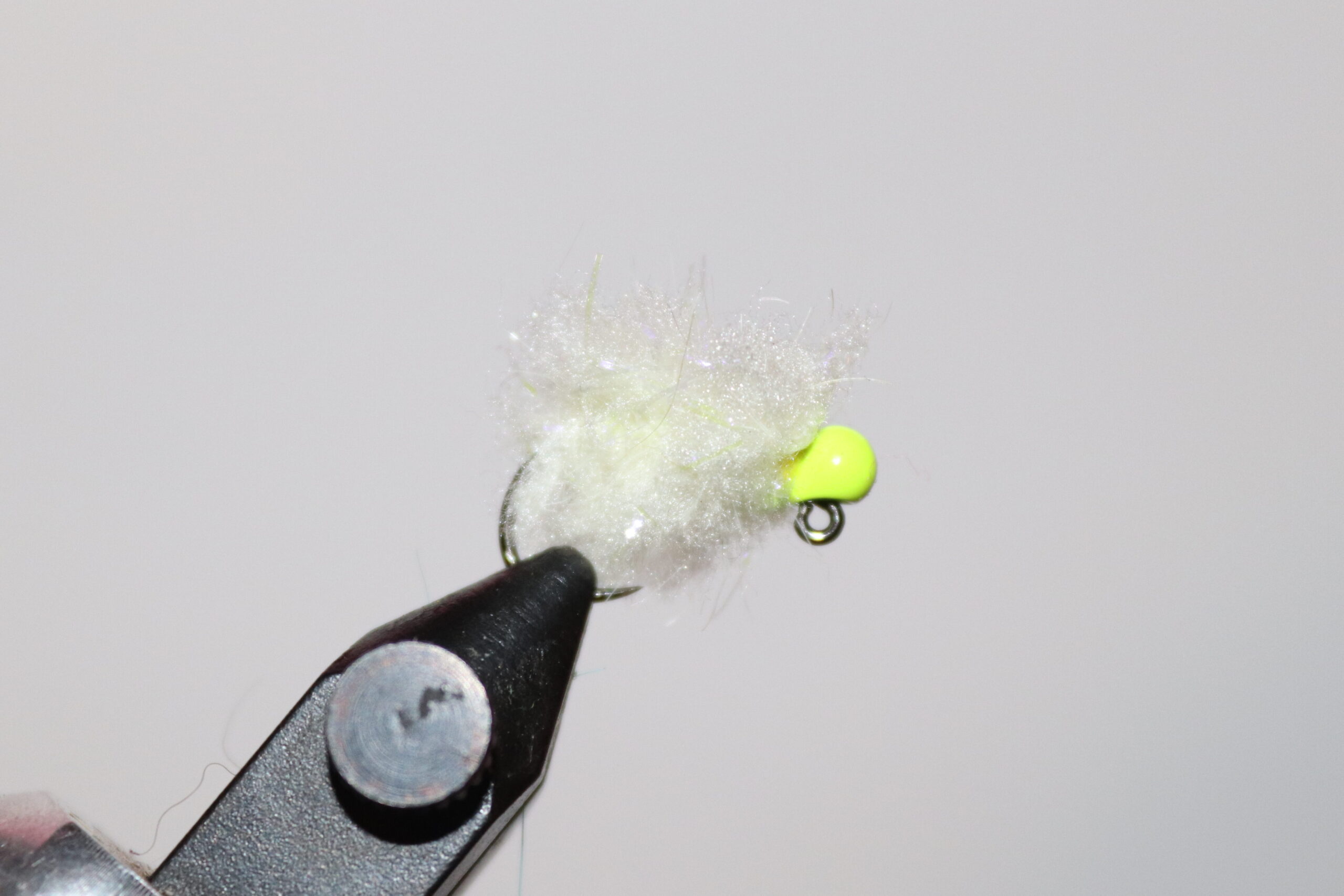
This fly is commonly tied on a size 10, 12, or 14 hook with a tungsten bead to sink faster than a traditional bead. The main material used, called daphnia fritz, is wrapped tightly around the shank of the hook and tied off just behind the bead. Colors can range, but the go-to colors are peach, apricot, bright green, pink, and red.
Although it is a very simplistic pattern, it is still considered a fly because of the thread used to secure the fritz onto the hook. Don’t be surprised if it only takes you two to three minutes to put the bead onto the hook, wrap the fritz, and tie off the thread. It is an incredibly simplistic fly—just another reason to love The Blob.
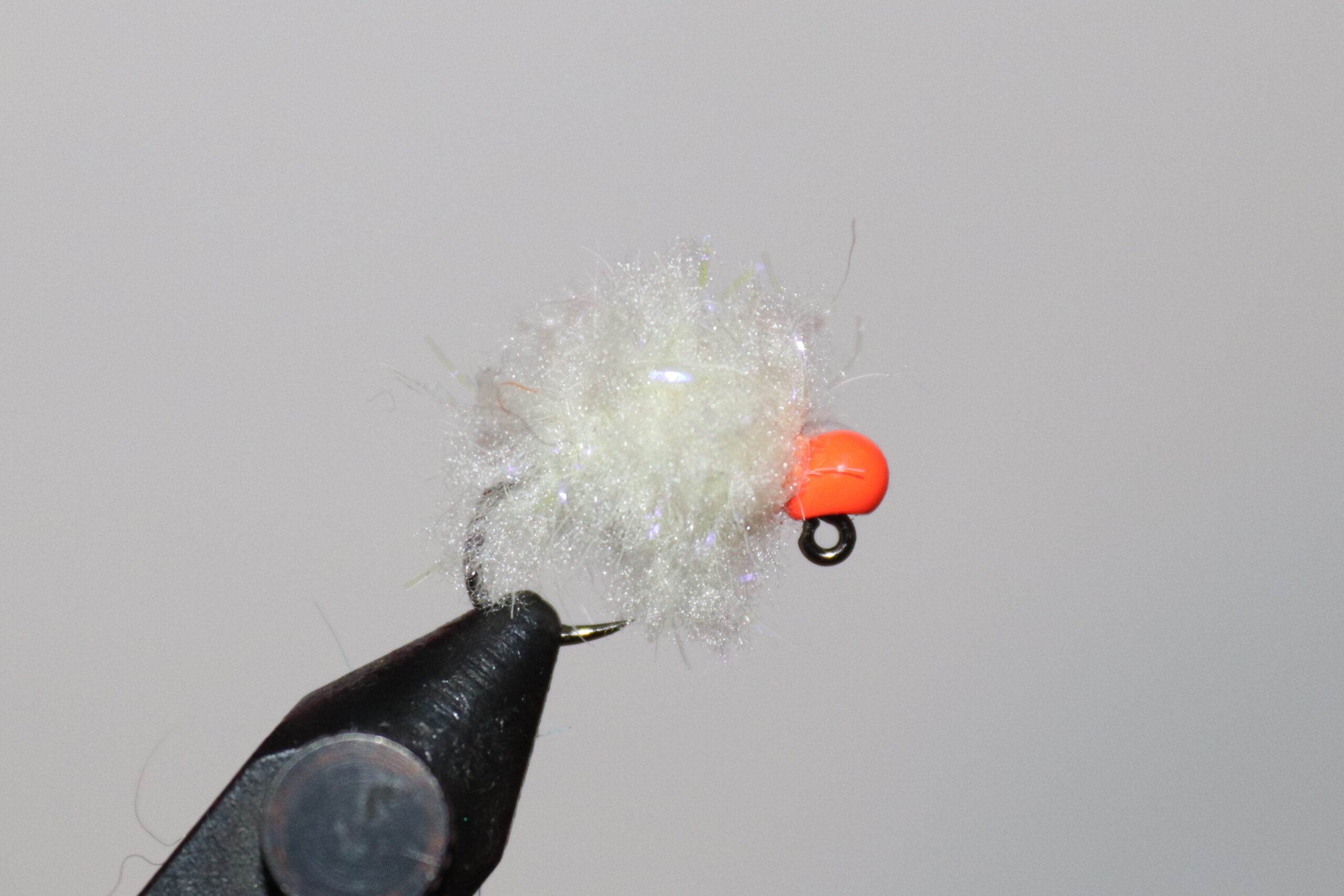
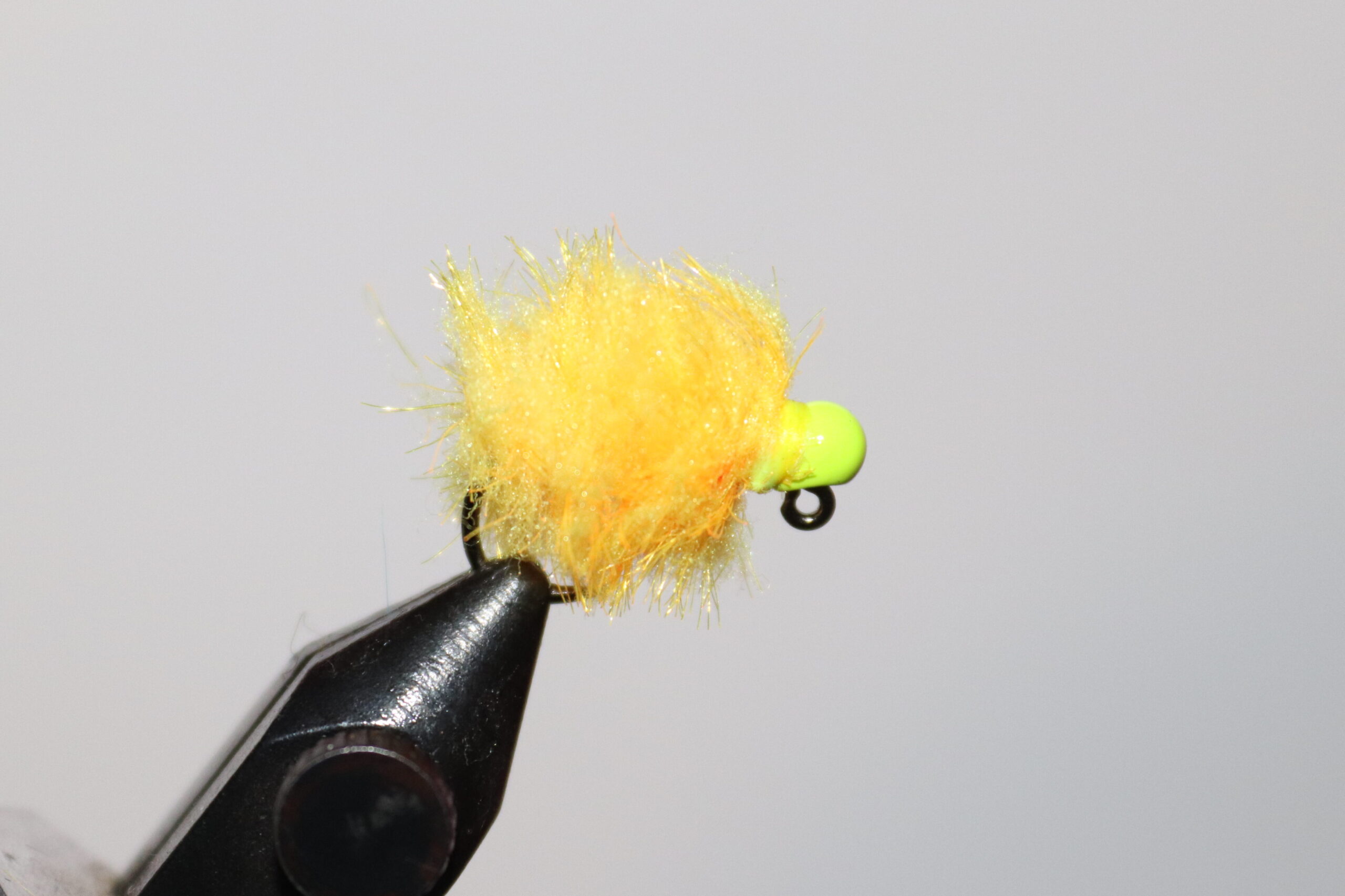
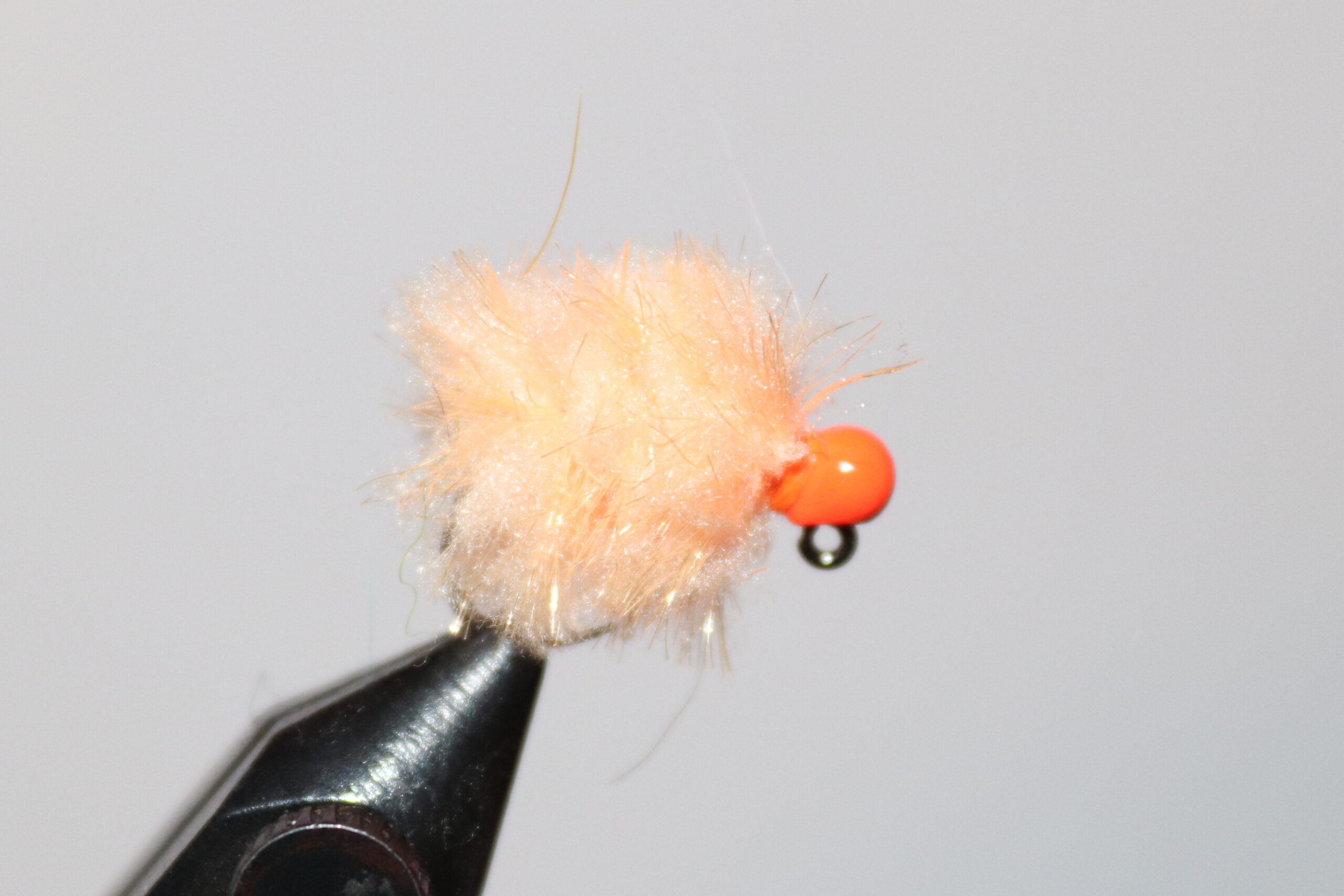
Phil Rowley says, “In England the Tequila Blob is as effective as it is controversial” (Rowley, 2023). Whether it’s a fly is a matter of opinion; it still has thread, a bead, and one material. It’s often debunked because of its attractiveness to fish, and people argue that it takes the skill out of fly fishing because it doesn’t replicate a bug in the water.
However, success comes down to presentation as well. Sometimes it is effective to hang The Blob under an indicator, and other times the fish love a fast-moving Blob, stripped incredibly fast in an intermittent stripping motion. Therefore, it is arguable that it “doesn’t take any skill” (Rowley, 2023). All in all, you still must learn how to use the fly, find the fish, and present the fly correctly for the conditions you’re fishing. You are not guaranteed overnight success just by casting it or suspending it under an indicator.
In summary, The Blob will be a valuable addition to your tackle box, and it should be in everyone’s fishing bag. Either it replicates the hatch or it attracts the fish. If you want to catch more fish, The Blob is for you. Just remember to follow the rules on the lakes you fish and have fun on the water.